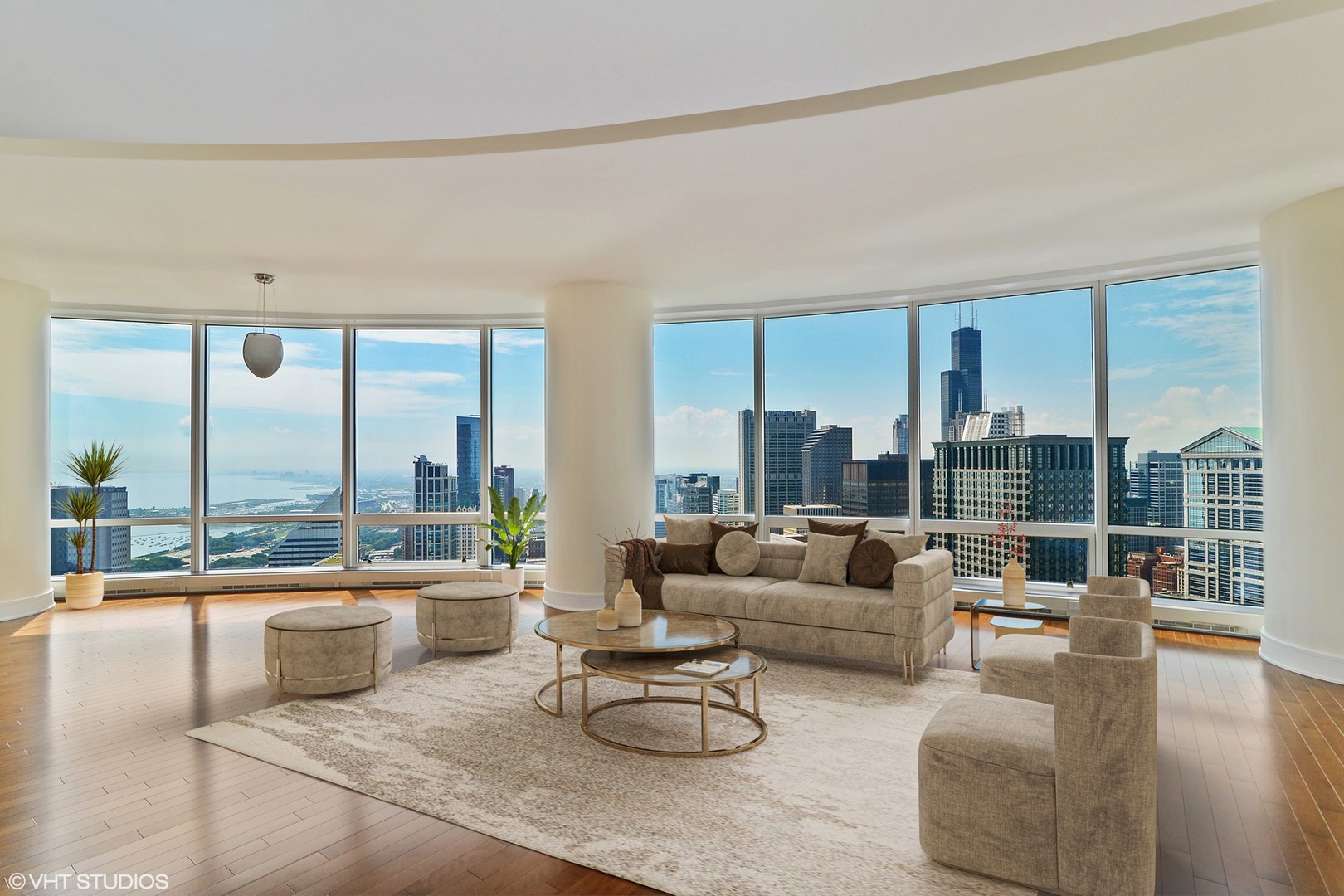
Picture a beautifully renovated two-bedroom on a high floor in River North. Lake views, valet, full amenity package, priced right at $1.4 million. The buyer is well qualified, the offer is clean — and then the deal collapses at underwriting. Not because of the unit. Because of the building.
Starting August 3, 2026, that scenario is about to become far more common across downtown Chicago. New rules from Fannie Mae and Freddie Mac change how nearly every condo building in the city is evaluated for financing — and most owners have no idea it's coming. Whether you own a luxury condo in the Gold Coast, a vintage co-op on East Lake Shore Drive, or a high-rise in Streeterville, this affects what your home is worth and how easily it sells.
Here's what's changing, why downtown Chicago condos are especially exposed, and what to do about it before you list.
What's Changing for Chicago Condo Financing on August 3, 2026
For years, lenders could run many condo buildings through a shortcut called a Limited Review. Think of it as the express lane at airport security: if a building looked healthy on paper, the loan could move through with relatively few questions about the building's finances.
That express lane is closing. As ofAugust 3, 2026, every condominium building with more than 10 units — which is essentially every downtown Chicago condo building — must go through a Full Review on every single sale. Lenders now dig into the budget, the reserves, delinquency rates, insurance, pending litigation, special assessments, and inspection reports before they'll approve a conventional mortgage.
The change traces back to the 2021 Surfside collapse in Florida. The hard question that emerged afterward was simple: are these buildings actually setting aside enough money to maintain themselves? The new rules are designed to answer that question on every deal.
Why Downtown Chicago Condos Are Especially Exposed
This matters more here than in most markets, and luxury buildings are not exempt — in some ways they carry more risk.
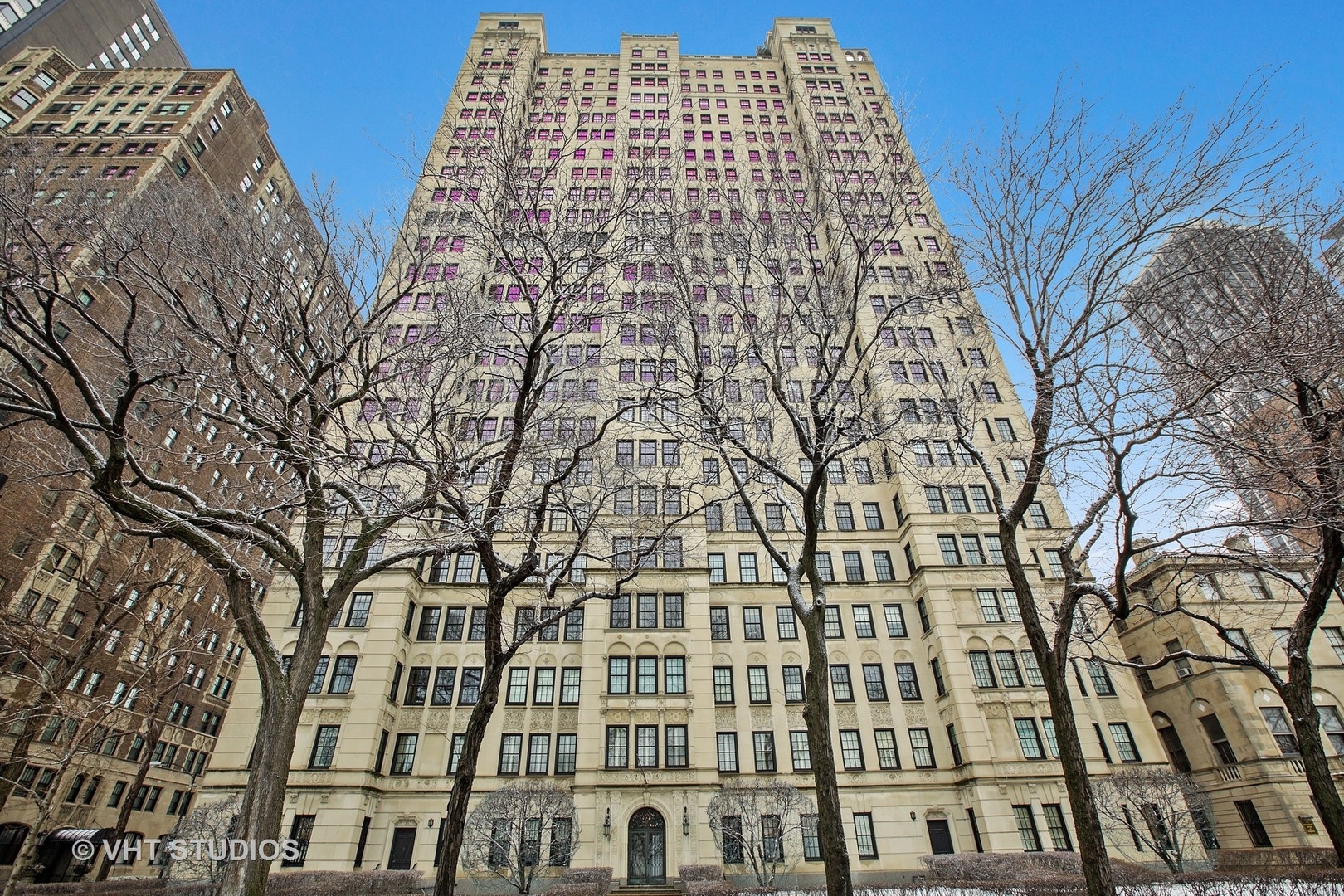
Downtown Chicago condos are overwhelmingly mid- and high-rise buildings well over the 10- unit threshold, so virtually none of them qualify for the old shortcut anymore. Many of the most desirable addresses are older towers with aging elevators, facades, mechanical systems, and parking structures — the exact "critical components" lenders now scrutinize. A vintage Gold Coast high-rise or a historic co-op can be impeccably run and still face a major capital project that triggers a red flag.
Luxury buildings also tend to carry rich amenity packages — doormen, pools, fitness centers, common terraces — that are expensive to maintain and replace. A big annual budget is not the same as a well-funded reserve, and the new rules care intensely about that distinction.
The Numbers Lenders Now Scrutinize
A Full Review evaluates six core areas. Two of them are where downtown Chicago buildings most often get caught.
Reserves: the 10% to 15% jump
Condo associations have long been expected to set aside at least 10% of their annual budget into reserves — the savings account for big-ticket repairs. That minimum is rising to 15%, effective for loan applications dated on or after January 4, 2027. (Note the date — this one is not part of the August 3 change, and it's the detail people most often get wrong.)
On a 100-unit building with a $1.2 million annual budget, that's the difference between $120,000 and $180,000 a year going to reserves. For a lot of buildings, that means assessments are going up. Just as important, the old practice of commissioning a reserve study and then funding it at the bare minimum is no longer permitted — buildings must now fund at the highest level the study recommends.
The $10,000-per-unit trap
This is the one that can make a building unsellable overnight. If a condo building has identified critical repairs — structural or safety-related — that total more than $10,000 per unit, and the association doesn't have the money set aside to address them, the building becomes ineligible for conventional financing. Every owner, all at once.
On a 100-unit building, that threshold is $1 million in unfunded critical work. In an older luxury high-rise facing a facade restoration or elevator modernization, that number is not hard to reach. It's like a house that fails inspection — except 100 families share a single report.
The other four checks
The remaining four are more straightforward but still trip buildings up. A building fails if 15% or more of units are 60-plus days delinquent on dues. In buildings of 21+ units, no single entity can own more than 20% of the units. Commercial space is capped at 35% of the building — relevant for the many downtown towers with ground-floor retail or restaurant podiums. And the building's master insurance must carry replacement-cost coverage, with a per-unit deductible now capped at $50,000 as of July 1, 2026.
What Illinois Law Does — and Doesn't — Require
There's a common misconception worth clearing up, because it affects how Chicago condo boards should respond.
Illinois does not currently mandate a formal reserve study for condominium associations. The Illinois Condominium PropertyAct requires only that budgets provide for "reasonable reserves" for capital expenditures and deferred maintenance — no fixed percentage, no required study schedule. There is pending legislation (House Bill 2563 and its companion) that would require a reserve study every five years, but it has not become law, despite what some online sources claim.
What Illinois law does require is unusually long recordkeeping: condo associations must retain financial records for at least 10 years, one of the longest retention periods in the country. That's useful leverage when you're evaluating a building's financial history before you buy or list.
The takeaway: the binding pressure on downtown Chicago condos isn't coming from Springfield. It's coming from Fannie Mae and Freddie Mac, and it lands regardless of what the state requires.
The Good News for Downtown Chicago Buyers
It isn't all caution. The same rule changes removed a longstanding cap that limited how many units in a building could be investor-owned. That rule historically blocked conventional financing in a number of downtown Chicago buildings with heavy rental concentrations — so some addresses that were difficult to finance just became easier. Well-managed buildings with strong reserves are about to stand out, and buyers who understand the new landscape can move on opportunities others don't see.
What to Do If You Own — or Want to Buy — a Downtown Chicago Condo
Whether you're a downsizer thinking about selling the family home for a low-maintenance luxury condo, or an owner planning to list, the move is the same: know where your building stands before it matters at the closing table.
Ask your condo board three questions this week:
- When was the reserve study done? A study older than three years is treated as expired under the new rules.
- What percentage of the budget goes to reserves? If it's under 15%, a dues increase is likely coming.
- Are there major repairs on the horizon that aren't funded yet? That's your early warning before a buyer's lender finds it for you.
If you're preparing to sell, don't wait and hope. The buildings that have been well managed will shine in this environment; the ones that have deferred maintenance and underfunded reserves are about to find out. Knowing which one yours is — before you list — is the difference between a smooth sale and a deal that dies at underwriting.

Common Questions About the 2026 Chicago Condo Rules
Do Chicago condos have to have a reserve study?
Illinois law does not currently require condo associations to have a formal reserve study. The Illinois Condominium PropertyAct requires only "reasonable reserves." However, as ofAugust 3, 2026, Fannie Mae and Freddie Mac effectively require buildings to either fund reserves at 15% of the budget or have a reserve study completed within the last three years to remain eligible for conventional financing.
What makes a downtown Chicago condo non-warrantable in 2026?
A condo building can become non-warrantable if it has critical repairs exceeding $10,000 per unit with no funds set aside, reserves below the required threshold, 15% or more of units more than 60 days delinquent on dues, a single entity owning more than 20% of units, more than 35% commercial space, or inadequate master insurance.
What changes for Chicago condo buyers on August 3, 2026?
As ofAugust 3, 2026, the Limited Review shortcut is eliminated for condo buildings over 10 units. Every sale now requires a Full Review of the building's finances, reserves, insurance, and condition before a conventional mortgage is approved.
Let's Look at Your Building Before You List
Downtown Chicago condos, historic co-ops, and luxury high-rises each come with their own financial quirks, and after nearly four decades selling in these buildings, I know where the bodies are buried — facade easements, co-op board dynamics, reserve histories, and now the 2026 financing rules. If you own a condo in River North, the Gold Coast, Streeterville, or anywhere downtown and you're thinking about selling, let's pull your building's documents together and find out exactly where it stands. Reach out anytime — it's the kind of homework that's far better done early.