Chicago Real Estate Insights

Whether you’re buying, selling, relocating, downsizing, or simply exploring your options, Anne Rossley’s Chicago real estate blog is designed to help you make informed decisions with greater clarity and confidence. Drawing on decades of experience in downtown Chicago, Anne shares local insights on luxury homes, historic properties, neighborhood trends, condo and co-op living, and the details that matter most to buyers and sellers in today’s market.

Sept. 17, 2026

How to Read a Chicago Condo Building's Finances Before You Write the Offer

Two towers, same age, same view, nearly the same monthly assessment. In one, the owners are about to get a letter about a five-figure special assessment. In the other, they're not. The difference is visible before you ever make an offer — if you know where to look.
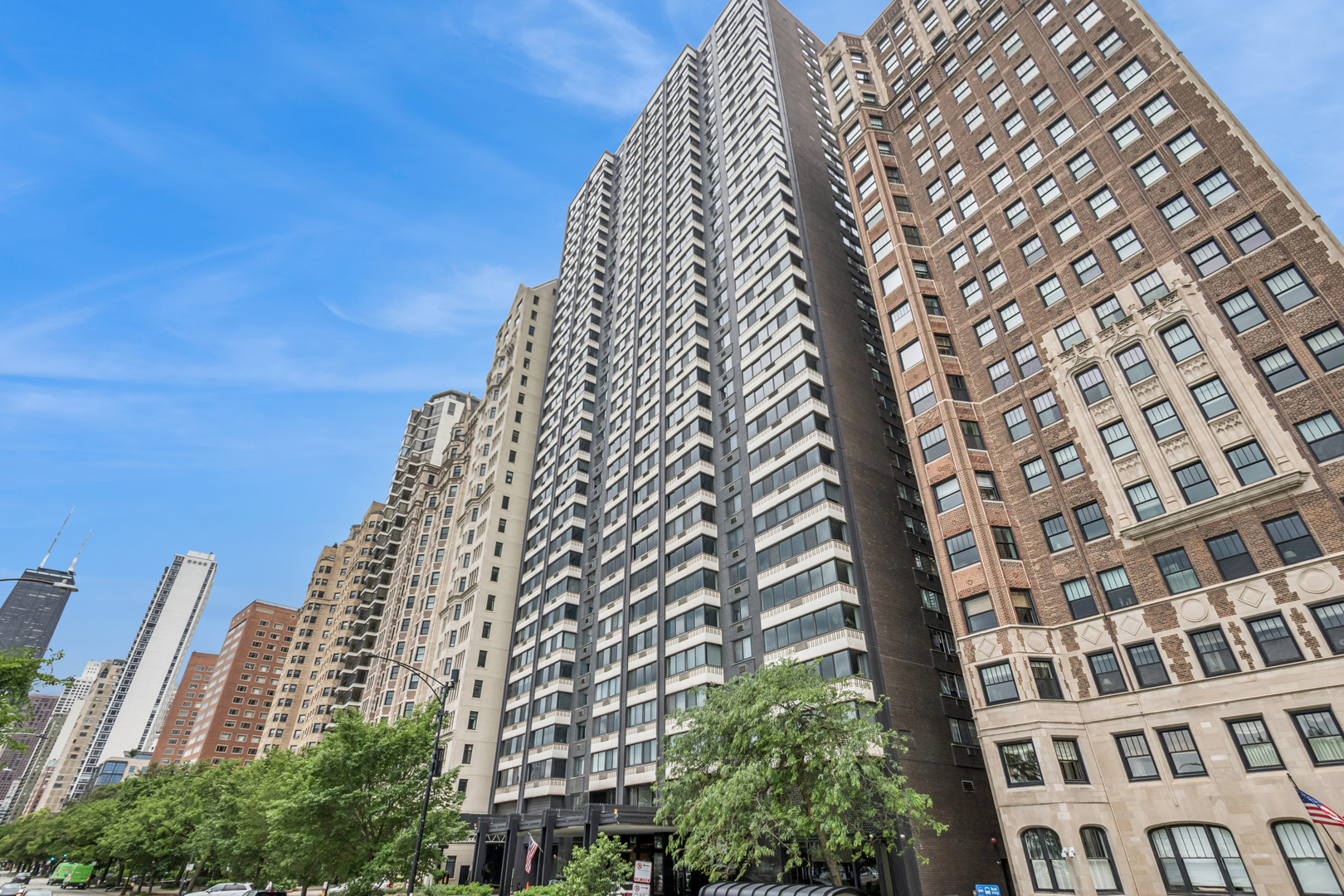
Picture two concrete high-rises from the early 1970s, a few blocks apart on the lakefront. From the lobby they look identical. But one replaced its plumbing risers three years ago and has been quietly saving for the façade work since. The other has been talking about both projects for two years and hasn't voted on either.

I've been selling downtown Chicago condos since 1987, and the question I hear most from buyers is some version of "is this building going to hit me with a special assessment?" Here's what I tell them: in a condo you aren't just buying your unit. You're buying a share of the roof, the elevators, the plumbing, the balconies and the boiler. Every one of those has a lifespan, and every building eventually replaces its roof. That's not a crisis; that's ownership. The only real question is whether this building plans for it or gets surprised by it — and that is something you can read.

Why you can't just wait for the condo documents

In Illinois, the seller requests a disclosure package from the association — the 22.1 disclosure — after you're under contract, and the board has ten business days to produce it. It's a useful document: reserve balance, last financial statement, pending lawsuits, and capital expenditures the board anticipates in the next two years. Your attorney reviews it, and you have a short window to walk away if what's in it isn't acceptable.

Two things to notice. First, the timing — it arrives after you've negotiated. Second, that word anticipates. A board that has been discussing a façade project but hasn't voted on it can say, in good faith, that nothing is anticipated. The document is honest. It's just a rearview mirror.

None of that is a reason to worry. It's a reason to start earlier. I treat the 22.1 as the confirmation step. The discovery happens before the offer, with five questions.

Question 1: What has the building actually done?
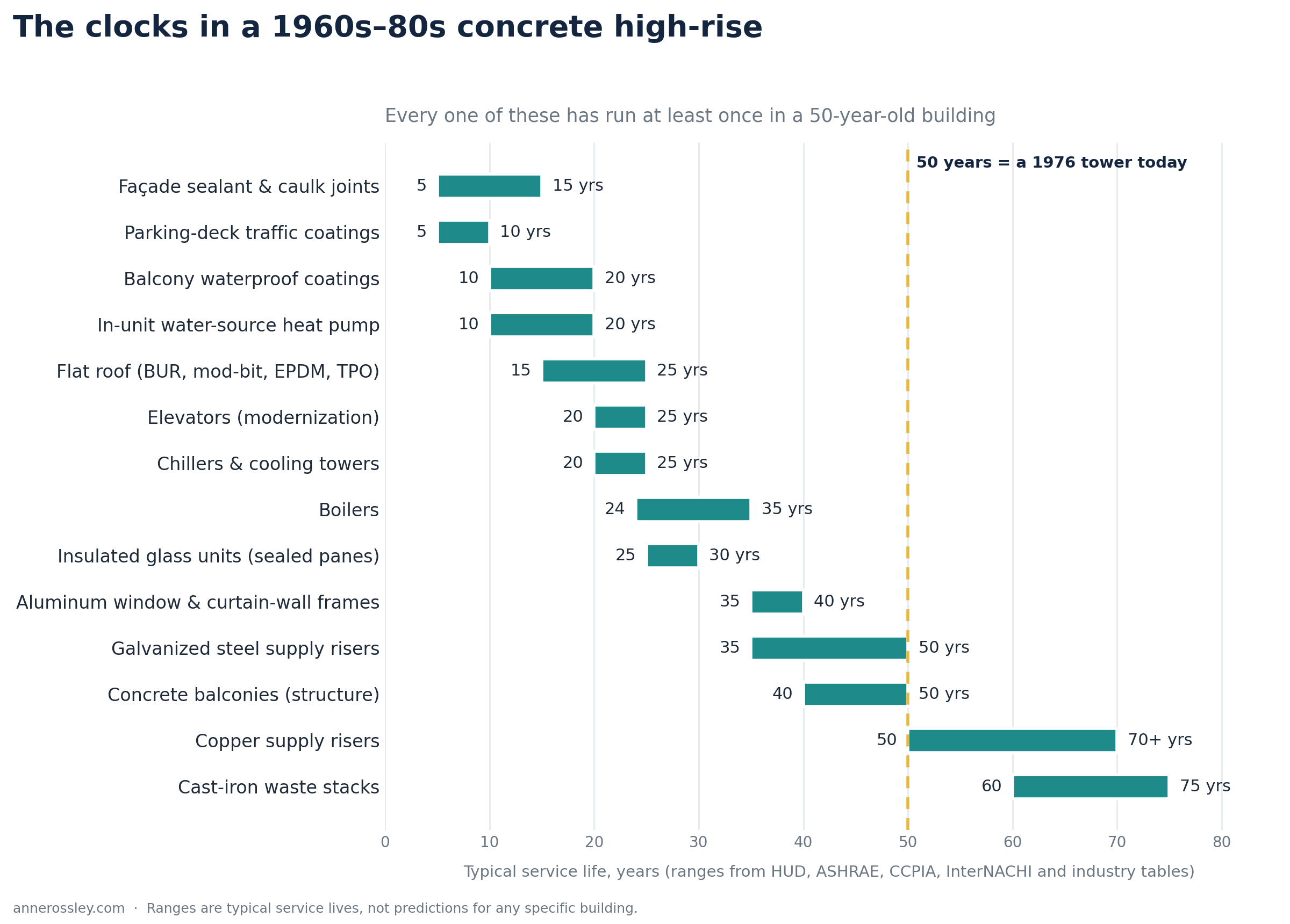
A concrete tower from the 1960s or '70s is fifty-plus years old, and every major system in it has a natural lifespan. In a building that age, every one of those clocks has run at least once. So there are really two kinds of fifty-year-old towers: the ones that have already done the work, and the ones that have it ahead of them. Both can be good places to live — but you want to know which one you're buying into, and the first kind leaves a paper trail.

The City of Chicago publishes every building permit issued since 2006, searchable by address, for free. A well-run older tower shows its history: façade restoration, elevator modernization, riser replacement, a new roof. The same site lists building violations. One old violation is noise; a pattern of open ones is worth a question.

Where to look

This takes about ten minutes. Almost nobody does it.

Question 2: Does the building have its façade report?

This one is a Chicago gift to buyers. Any building 80 feet or taller — roughly eight stories — must have its exterior walls, explicitly including balconies, examined by a licensed architect or structural engineer on a recurring cycle, with the report filed with the City. The owner is required to complete the repairs the report calls for.

Façade and balcony work is one of the largest bills a concrete tower ever faces, and the City has already made the building get a professional opinion on it. The report exists. Ask the listing agent or management to see it. If it's current and the repairs were done, you're looking at a building that manages its biggest risk. If nobody can find it, you've learned something without spending a dollar.

Question 3: How does money get into the reserves?

Not "how much is in reserves" — how does money get in? There are two ways:

  • A dedicated reserve line in the budget. A fixed contribution every month, in good years and bad.
  • Whatever's left over. Reserves get funded only after operating bills are paid — so the year insurance jumps (and Chicago association insurance has been jumping), nothing goes in.

Illinois law requires the budget to "provide for reasonable reserves" and tells the board what to consider: the useful life of what it maintains, replacement cost, and any professional reserve study. A dedicated line is evidence somebody did that math.

Your lender will care too. Fannie Mae currently wants at least 10 percent of a condo budget going to reserves for a loan to qualify under full review, and that floor rises to 15 percent for applications dated January 4, 2027 or later. That's the minimum; reserve professionals generally recommend more for buildings with elevators and heavy mechanical systems. A 1970s tower with four elevators putting 6 percent into reserves isn't a reason to walk — it's a reason to ask the next question.

Question 4: Is there a reserve study, and how funded are they?

"They've got a year's worth of assessments in the bank" tells you almost nothing. A building with $2 million in reserves and a $4 million riser project ahead is in worse shape than one with $500,000 and new risers. It's like judging whether a family has saved enough for college without asking whether the kid is four or seventeen."They've got a year's worth of assessments in the bank" tells you almost nothing. A building with $2 million in reserves and a $4 million riser project ahead is in worse shape than one with $500,000 and new risers. It's like judging whether a family has saved enough for college without asking whether the kid is four or seventeen.

Reserve professionals use a measure called percent funded: the money the building has, divided by what a reserve study says it should have today given the age and replacement cost of everything it owns. Under 30 percent funded is considered weak, with a high risk of special assessments. Seventy percent and up is strong.

What Illinois actually requires

Here's something that surprises people: Illinois does not require a condo building to have a reserve study. The law requires "reasonable reserves" and lists a study as something the board may obtain. A bill that would have required one every five years stalled in committee in Springfield this spring, and no state agency audits condo boards. In practice, nobody is checking a building's reserves except the owners, the lenders — and you.

So the way I'd put it: Illinois doesn't require a reserve study. It requires reasonable reserves, and a reserve study is how a well-run board proves its reserves are reasonable. The national standard calls for a site-visit update at least every three years, and Fannie Mae's project questionnaire asks whether there's one from the last three years. If a building has one, it's kept with the association's records — so it's there to be asked for.

If there's a current study, most of your work is done. If there isn't, that's common and not a dead end. You lean harder on the permit history and the façade report, and your attorney asks the board directly how they set the reserve number.

Question 5: Who is running the building?

There's no database for "does this board know what it's doing," but there is a checklist, and everything on it is verifiable:

  • A licensed manager. Illinois requires community association managers to be licensed; the state has a public lookup.
  • Credentials beyond the license. CMCA, AMS, and PCAM — the top designation takes five years of experience.
  • A credentialed reserve analyst. Look for a Reserve Specialist (RS) or Professional Reserve Analyst (PRA); both organizations publish directories.
  • Minutes. Illinois requires boards to keep seven years of them. A motivated seller can usually get you the last year or two. Read them for four words: engineer, study, proposal, special.
  • The people who know. Talk to the doorman and the building engineer. "What's the big project everyone's talking about?" is a fair question at a showing.

Putting it together
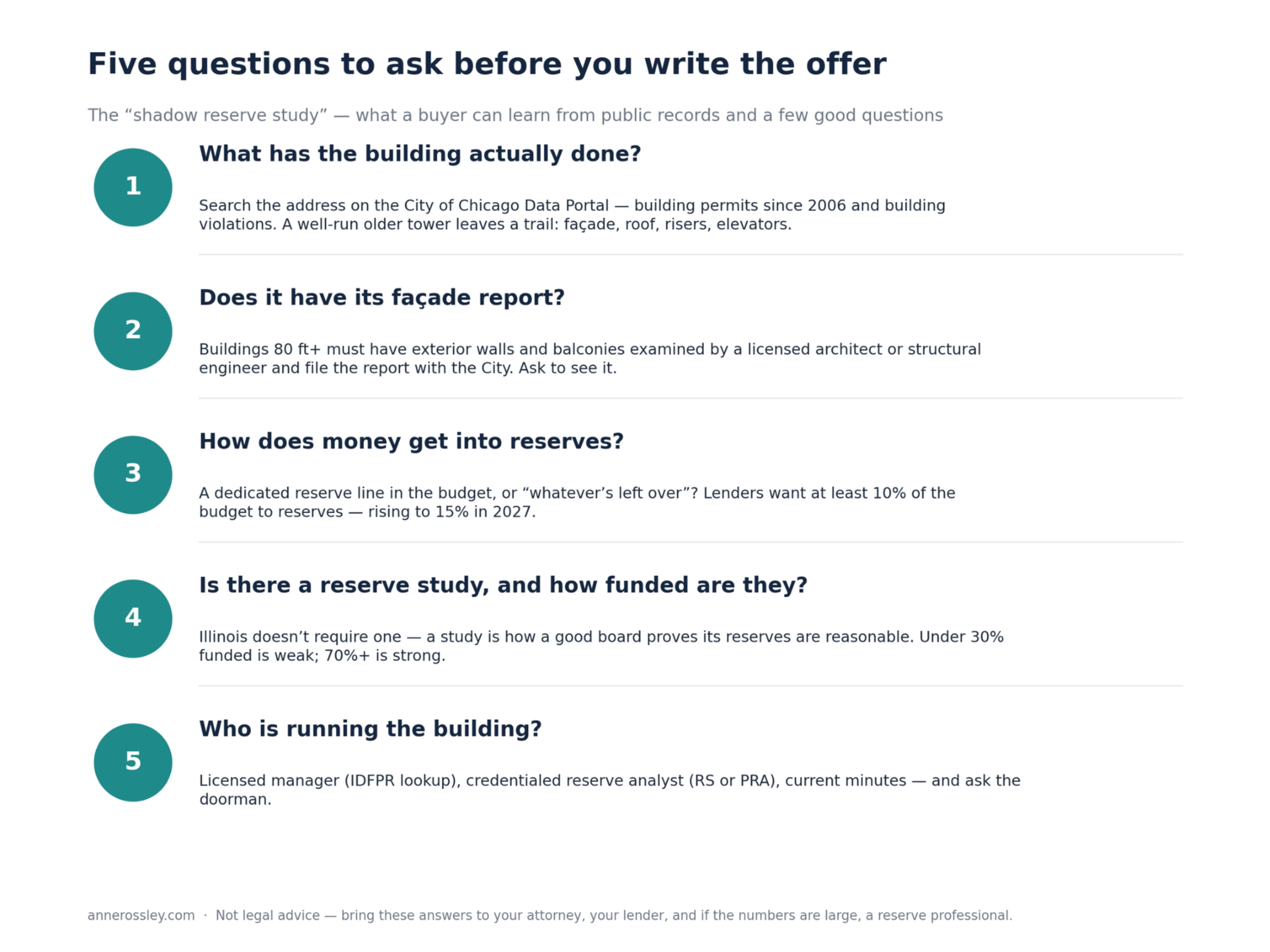
Do the five, then go under contract. When the real 22.1 arrives, you're not discovering — you're comparing. If the permits show a riser project, the façade report is current, there's a healthy reserve line, and the 22.1 says nothing is anticipated, that's a consistent picture. If the permits show nothing, reserves come from leftovers, there's no study, and the 22.1 also says nothing is anticipated — that's an inconsistent picture. It doesn't mean you walk. It means you know exactly what to ask, and you can price it in, negotiate it, or decide with your eyes open.

I'm a broker, not a lawyer. Your attorney reads the documents and tells you what they mean for you. Your lender tells you whether the building qualifies. If the numbers are large, reserve professionals and engineers do nothing but this. Your job is to walk into those conversations with the questions already answered.

Remember the two towers? Both are still good places to live. The difference is that in one of them, the owners saw it coming.

View More
Sept. 15, 2026

What $500K–$800K Buys in Chicago Walk-Up Condos: Lakeview, Uptown & Edgewater

Chicago walk-up condos priced between $500,000 and $800,000 are competitive, especially when they offer good space, outdoor living, parking, and a manageable monthly assessment. Recent closed sales show that buyers need to move quickly, understand the differences between Lakeview, Uptown, and Edgewater, and budget carefully for both the unit and the building.

I reviewed every 2- and 3-bedroom condo in a small, mostly walk-up building that closed in Lakeview, Uptown, and Edgewater between $500,000 and $800,000 during the six months ending September 11, 2026. The analysis included 278 closed sales, along with 64 listings that were canceled or expired without selling.

Five Things to Know Before Buying a Chicago Walk-Up Condo

1. You will be competing

Two out of three condos in this group went under contract within one week of listing, and approximately eight out of ten sold at or above the asking price.

The typical sale closed about 7% above the original list price, while four out of ten sales closed more than 10% over list.

This means preparation matters. Before your first showing, you should have lender pre-approval, proof of funds, and a clear understanding of your inspection and attorney-review preferences.

2. Your real budget ceiling is about $730,000

If your total purchase budget is $800,000, shopping at the full $800,000 asking price may leave little room for competition.

On a well-priced property, buyers should be prepared for a closing price 5% to 10% above the original asking price. A $799,000 listing is not necessarily an $800,000 purchase in this market.

3. Lakeview costs more per square foot, while Uptown generally offers more space

The same budget buys approximately 15% to 20% more square footage in Uptown than in Lakeview, with Edgewater generally falling between the two.

Lakeview offers strong walkability and access to a large number of neighborhood amenities. Uptown and Edgewater can provide more space for the money, particularly for buyers prioritizing a third bedroom.

4. Outdoor space and parking are common features, but quality varies

More than nine out of ten sales included some form of private outdoor space and parking.

However, there is a significant difference between a garage space and an outdoor pad, or between a large private deck and a small balcony. Buyers should look closely at the actual usability of these amenities rather than simply checking whether they are included.

5. Pet rules are often the blind spot

Fewer than one in four listings clearly stated their pet policy.

In a small six-unit building, the rules may be found in the condominium declaration or association documents rather than the listing description. Before you fall in love with a property, we verify the pet policy in writing.

View More
Sept. 10, 2026

Accessory Dwelling Units in Chicago: Benefits for Homeowners & Buyers

Maybe you're looking for a home that fits your budget, or perhaps you're already a homeowner who needs extra space, additional income, or a place for a loved one. An accessory dwelling unit (ADU) may be an option worth considering.

ADUs can provide flexible living arrangements for homeowners and buyers, especially for multigenerational families, aging in place, or those looking for potential rental income.

What Is an Accessory Dwelling Unit?

According to AARP, an ADU is a smaller, independent living space located on the same property as a larger primary residence. It typically includes its own kitchen or kitchenette, bathroom, and living or sleeping area.

An ADU can be:

  • Attached to the main home

  • Located within the home, such as a basement

  • Built above or beside a garage

  • A detached structure on the same lot

They may also be called in-law suites, coach houses, carriage houses, or accessory apartments.

What Are the Benefits of an ADU?

1. Keep Family Close While Maintaining Privacy

ADUs can give family members their own independent living space while keeping everyone close by. They can be useful for aging parents, adult children, grandparents, or other relatives.

Freddie Mac recognizes ADUs as a flexible option for multigenerational households and independent living space for family members.

2. Support Aging in Place

For older homeowners, an ADU can be part of an aging-in-place plan. A homeowner could potentially move into a smaller ADU while keeping the main home for family or another use.

An ADU can also provide space for a caregiver or allow an older family member to live close to loved ones while maintaining some independence.

AARP highlights ADUs as one option that can give older adults more choices for aging in place.

3. Potential Rental Income

Depending on local regulations, an ADU may provide an opportunity to generate rental income. That income could potentially help offset mortgage payments or other homeownership expenses.

Freddie Mac notes that rental income from an ADU may be considered as qualifying income in certain circumstances. Learn more about Freddie Mac's ADU guidelines.

4. Make Better Use of Your Property

An ADU can turn previously underused space into functional living space. This could include a basement, garage, space above a garage, or a detached structure.

For homeowners who love their neighborhood but need their home to work differently, an ADU can provide another way to adapt the property rather than immediately moving.

5. More Flexibility as Your Needs Change

Your reason for having an ADU today may not be the same several years from now.

It could initially be used for an adult child, later become a rental, and eventually provide a smaller living space for you or a place for a caregiver.

That flexibility can be especially valuable for homeowners thinking about downsizing, rightsizing, or aging in place.

What About ADUs in Chicago?

If you're considering an ADU in Chicago, it's important to check the rules for the specific property before buying or starting construction.

Chicago's zoning ordinance and Additional Dwelling Unit Ordinance include specific requirements that can affect where and how ADUs can be created. You can review the City of Chicago Additional Dwelling Unit Ordinance and Chicago Zoning Ordinance.

Local requirements can affect eligibility, design, permits, rental use, and other aspects of an ADU, so it's important to confirm what is allowed for a particular property.

Can an ADU Increase Your Home's Value?

An ADU may add value and appeal to a property, but there is no guarantee that the cost of building one will be fully reflected in the home's resale value.

The impact can depend on the location, quality, legal status, design, buyer demand, and comparable properties.

Freddie Mac notes that an ADU can potentially increase home value while also providing additional living space, rental income, or space for family members.

Frequently Asked Questions About ADUs

What is an ADU?

An accessory dwelling unit is an independent living space on the same property as a primary residence, typically with its own kitchen, bathroom, and entrance.

Can an ADU generate rental income?

Potentially, yes. If local regulations allow the ADU to be rented, it may provide an additional source of income.

Can an ADU help with aging in place?

Yes. An ADU can provide a smaller living space for a homeowner or housing for a family member or caregiver nearby.

Can you build an ADU anywhere in Chicago?

Not necessarily. ADU requirements vary by property and location, so zoning and other regulations should be verified before purchasing or building.

The Bottom Line

ADUs can offer homeowners more flexibility, whether the goal is keeping family close, aging in place, creating potential rental income, or making better use of an existing property.

If you're considering buying a Chicago home with an ADU, adding one to your current home, or exploring how an ADU could fit into your downsizing or multigenerational plans, a local real estate professional can help you understand your options and connect you with the right professionals.

Thinking about how your Chicago home could work better for your next chapter? Contact Anne Rossley to discuss your real estate options.

Sept. 8, 2026

Alta Vista Terrace Historic District: Chicago’s Hidden Gem

What is Chicago’s hidden gem? The Alta Vista Terrace Historic District is certainly one of the city’s most distinctive residential streets.

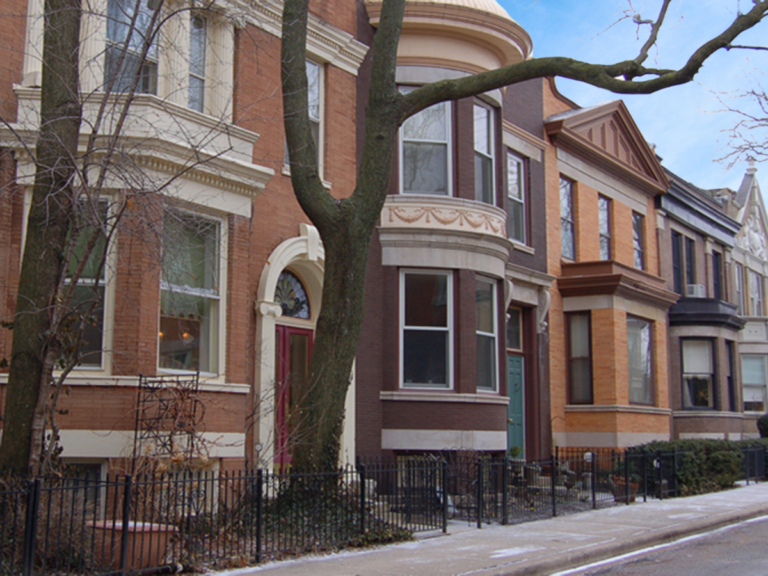
Located in Chicago’s Lake View neighborhood just north of Wrigley Field, Alta Vista Terrace is a one-block stretch of historic English-style row houses. With its cohesive architecture, intimate scale, and convenient location, it offers a residential experience that feels remarkably different from many other parts of Chicago.

If you’re considering buying or selling a home on Alta Vista Terrace, understanding what makes this historic district special is an important part of the process.

A Brief History of Alta Vista Terrace

Alta Vista Terrace was built between 1900 and 1904 and was one of the last real estate developments of Chicago developer Samuel Eberly Gross, who was responsible for thousands of homes and numerous subdivisions throughout the city.

The development consists of 40 English-style row houses facing the one-block-long street. The City of Chicago describes the district as having a lively variety of architectural styles and details while maintaining a strong sense of unity and harmony.

Alta Vista Terrace was designated a Chicago Landmark on September 15, 1971, recognizing its architectural and historical significance.

Why Is Alta Vista Terrace So Special?

Unlike Chicago’s high-rise buildings or larger residential districts, Alta Vista Terrace offers something much more intimate: a cohesive historic streetscape tucked into the heart of Lake View.

Architectural Character

The 40 row houses create a unified streetscape while incorporating variations in architectural details. Their historic character and human scale are a major part of what makes the block distinctive.

Walkable Location

Alta Vista Terrace is close to some of Lake View’s best-known destinations, including Wrigley Field and Southport Corridor, while Lake Michigan and the lakefront are also nearby.

A Small-Scale Community

With only 40 homes, Alta Vista Terrace has a very different feel from a typical Chicago residential development. The limited number of homes contributes to its intimate character and makes opportunities to own one particularly uncommon.

Historic Integrity

For buyers who appreciate historic architecture, the appeal is in the details and the character that distinguish these homes from newer construction.

Living on Alta Vista Terrace: What You Need to Know

If you’re thinking about buying or selling a home on Alta Vista Terrace, it helps to understand just how unusual this micro-market is.

There are only 40 homes on the street, and properties do not come on the market frequently. That means buyers who specifically want to live on Alta Vista Terrace may need to be patient and prepared when an opportunity becomes available.

For sellers, the history and architectural character of the property are important parts of its story.

Because Alta Vista Terrace is a Chicago Landmark district, buyers and owners should also understand that certain alterations to landmark properties may be subject to the City’s landmark review process. Anyone considering significant exterior changes should confirm the applicable requirements before beginning a project.

Selling Your Alta Vista Terrace Home

If you currently own a home on Alta Vista Terrace and are considering selling, preparation and presentation matter.

Highlight the Historic Features

The architectural character of these homes is part of what makes them special. Original or historic details should be thoughtfully presented so prospective buyers can appreciate what makes the property different.

Work With a Local Expert

A unique historic property deserves a marketing strategy that recognizes its location, architecture, and limited availability.

Anne Rossley understands the nuances of Chicago’s historic homes and can help sellers develop a strategy for pricing, preparation, staging, and marketing.

Understand Buyer Expectations

Many buyers drawn to Alta Vista Terrace are looking for something beyond a standard home. They may be attracted to the history, architecture, scale, and location of the district.

Presenting those qualities clearly can help tell the story of the property.

Buying a Home on Alta Vista Terrace

Interested in owning a piece of Chicago history? There are a few things to keep in mind.

Be Prepared

Because homes on Alta Vista Terrace are limited, buyers should be prepared to act when the right opportunity becomes available.

Getting pre-approved and understanding your budget in advance can help you move more confidently when a property comes on the market.

Appreciate the History

Historic homes can have characteristics that differ from newer construction. Unique layouts, original features, and other quirks can all be part of their appeal.

Before buying, make sure the home's condition, maintenance needs, and potential renovation plans fit your expectations.

Understand the Landmark Status

If you are considering renovations, make sure you understand any applicable landmark requirements before making plans. The City of Chicago's landmark resources provide information about the district and its preservation requirements.

Alta Vista Terrace and the Chicago Lifestyle

One of the best things about Alta Vista Terrace is that its historic character doesn't mean giving up the energy and convenience of Chicago living.

Residents are close to:

Southport Corridor — Known for its neighborhood shopping, restaurants, coffee shops, and local businesses.

Wrigleyville — Home to Wrigley Field and a wide range of restaurants, entertainment, and neighborhood activity.

Lake Michigan and the Lakefront — Nearby lakefront parks, trails, and beaches provide opportunities to enjoy Chicago's lakefront.

The combination of historic architecture and an active urban setting is part of what makes Alta Vista Terrace so appealing.

Are There Homes for Sale on Alta Vista Terrace?

Because there are only 40 homes on Alta Vista Terrace, available properties can be difficult to find.

View homes for sale in Alta Vista Terrace to see whether anything is currently available.

And don't be surprised if you don't see a listing. Homes here don't come on the market often.

If you specifically want to own a home on Alta Vista Terrace, reach out to Anne Rossley about getting connected through Zenlist. You may be able to see coming-soon and private opportunities and be better prepared when a property becomes available.

Frequently Asked Questions About Alta Vista Terrace

Where is Alta Vista Terrace in Chicago?

Alta Vista Terrace is located in Chicago's Lake View neighborhood on the 3800 block of North Alta Vista Terrace, just north of Wrigley Field.

How many homes are on Alta Vista Terrace?

There are 40 English-style row houses on the one-block-long historic district.

When was Alta Vista Terrace built?

The homes were built between 1900 and 1904 as a development associated with Samuel Eberly Gross.

Is Alta Vista Terrace a Chicago Landmark?

Yes. Alta Vista Terrace was designated a Chicago Landmark on September 15, 1971.

Do homes on Alta Vista Terrace come up for sale often?

No. With only 40 homes on the block, opportunities are naturally limited. Buyers interested in the area may want to monitor the market and work with a local agent who knows the neighborhood.

Final Thoughts

Alta Vista Terrace isn't just a beautiful block—it's a unique piece of Chicago history and a distinctive way to experience life in Lake View.

Whether you're looking to sell your Alta Vista Terrace home or dreaming of owning one, you deserve guidance from someone who understands Chicago's historic properties and the nuances of this unique neighborhood.

Explore homes for sale in Alta Vista Terrace, or contact Anne Rossley to discuss your buying or selling plans.

If you're interested in a home that may be coming soon or privately available, ask Anne about getting connected through Zenlist so you can be prepared for the next opportunity.

Sept. 3, 2026

Gen Z’s Guide to Affordable Homeownership in Chicago

The idea of owning a home has always been a big part of the American Dream. It represents stability, independence, and having a place to truly call your own.

But for Gen Z—the generation generally born between 1997 and 2012—making that dream a reality can feel challenging. Higher borrowing costs and home prices can make saving for a down payment and qualifying for a mortgage more difficult.

Still, becoming a homeowner can be attainable with strategic planning, realistic expectations, and the right resources.

Here are some strategies Gen Z can consider when preparing to buy a first home.

Explore Down Payment Assistance Programs

One of the biggest challenges for first-time buyers is saving enough money for a down payment and closing costs.

Fortunately, eligible buyers may have access to down payment assistance programs that can help reduce the amount of cash needed upfront. In Illinois, for example, the Illinois Housing Development Authority (IHDA) offers several programs for qualified homebuyers.

Assistance amounts, eligibility requirements, income limits, and repayment terms vary by program, so it's important to speak with an approved lender about the options currently available to you.

Don't Assume You Need 20% Down

Many first-time buyers believe they need to save 20% of a home's purchase price before they can buy.

That's not necessarily the case.

Some mortgage programs allow qualified buyers to purchase a home with a much smaller down payment. However, a lower down payment can also mean a larger loan and potentially additional costs.

The goal isn't simply to put down as little as possible. It's to find a financing strategy that works comfortably with your income, savings, and long-term financial goals.

Consider Different Types of Homes

If you're struggling to find a home within your budget, consider expanding the type of property you're willing to purchase.

For some first-time buyers, a condo may offer a more attainable entry point into homeownership than a single-family home.

If you're considering a condo, remember to look beyond the purchase price. Monthly assessments, property taxes, insurance, building reserves, and potential special assessments can all affect your overall housing costs.

Look Beyond Your First-Choice Neighborhood

You may have a specific neighborhood in mind, but being flexible about location can open up more possibilities.

Consider nearby neighborhoods or areas that offer the features you want at a price that better fits your budget.

Think about what matters most to you—commute time, public transportation, restaurants, parks, walkability, or access to other amenities—and use those priorities to guide your search.

Focus on Your Financial Health

Buying a home starts long before you make an offer.

Work on building your savings, paying bills on time, managing existing debt, and maintaining a healthy credit profile. Avoid taking on unnecessary new debt while preparing to apply for a mortgage.

The stronger your overall financial position, the more options you may have when you're ready to buy.

Living With Family Can Help You Save

For some Gen Z buyers, living with parents or relatives for a period of time can provide an opportunity to save more aggressively for a future home purchase.

Instead of simply waiting to buy, create a specific savings goal for your down payment, closing costs, emergency fund, and other expenses associated with becoming a homeowner.

A clear plan can make the path toward homeownership feel much more manageable.

Consider Co-Buying Carefully

Buying a home with a partner, friend, or family member may make homeownership more attainable for some buyers.

However, co-buying comes with important financial and legal considerations.

Before purchasing together, make sure everyone understands how ownership, mortgage payments, expenses, repairs, and a potential future sale will be handled. Consulting with a qualified lender and real estate attorney can help you understand the implications before making a commitment.

Understand the Full Cost of Homeownership

Your mortgage payment is only part of the cost of owning a home.

Before buying, consider:

  • Mortgage payment

  • Property taxes

  • Homeowners insurance

  • HOA assessments, if applicable

  • Maintenance and repairs

  • Closing costs

  • Emergency savings

Understanding these costs ahead of time can help you determine whether a home truly fits your budget.

View More
Posted in Buying in Chicago
Sept. 1, 2026

How to Emotionally Prepare to Sell Your Longtime Home in Chicago

Selling Your Longtime Chicago Home: How to Emotionally Prepare for Downsizing or Rightsizing

“It’s just a house,” people say.

But when you’ve lived in a home for decades, it’s much more than that. It’s where memories were made, milestones were celebrated, holidays were hosted, and everyday life unfolded. It can represent a significant chapter of your life.

Selling a longtime home in Chicago isn’t just a financial transaction—it’s an emotional transition.

For many Chicago homeowners, the decision to sell comes with questions about downsizing, rightsizing, moving closer to family, reducing maintenance, or simply creating a lifestyle that better fits the next chapter.

If you're considering selling a longtime home, you deserve more than a standard real estate transaction. You need someone who understands both the Chicago housing market and the emotional side of leaving a home you've loved.

As a Senior Real Estate Specialist (SRES®) and trusted Chicago real estate advisor, I help homeowners navigate the process of selling, downsizing, and rightsizing with patience, planning, and care.

Here are five steps that can make the transition easier.

1. Acknowledge the Emotional Weight of Selling Your Home

When you're selling a home you've lived in for decades, you're not simply leaving a building. You're leaving a life stage.

Maybe it's the Chicago home where you raised your family. Maybe it's where you hosted Thanksgiving dinners, celebrated birthdays, welcomed grandchildren, or built a lifetime of memories.

It's completely normal to experience grief, fear, uncertainty, or even guilt when thinking about moving.

Give yourself permission to feel those emotions. You don't have to rush the process.

Tip: Take Time to Document Your Memories

Consider creating a journal or photo album of your favorite memories from the home. Walk through each room and write down what happened there and why it matters to you.

Taking stock of those experiences can provide a sense of closure and gratitude before you begin your next chapter.

2. Get Clear About Why You Want to Move

Understanding why you're selling your longtime Chicago home can make the decisions ahead much easier.

Are you:

  • Downsizing because the house has become too much to maintain?
  • Rightsizing for a simpler lifestyle?
  • Moving closer to children or grandchildren?
  • Looking for a condo with less maintenance?
  • Hoping to reduce household expenses?
  • Ready to enjoy more walkability and convenience?
  • Moving to a home that better fits your current lifestyle?

Rightsizing isn't about giving something up. It's about choosing what works better for the life you want now.

Tip: Create a Vision for Your Next Chapter

Make a simple "vision list."

Ask yourself:

What do I want more of?
What do I want less of?
What would make everyday life easier?

Maybe you want an elevator building, walkability, less maintenance, a neighborhood closer to family, or a smaller home with more convenience.

Keeping that vision in mind can help when the emotional side of selling starts to feel overwhelming.

3. Work With a Chicago Real Estate Specialist Who Understands the Process

Selling a longtime home can involve much more than preparing a property for the market.

You may need help coordinating decluttering, moving, staging, estate planning, clean-outs, repairs, and other services before the home is ready to sell.

As an SRES® designee, I have specialized training to help older adults and their families navigate the real estate transition with empathy, patience, and practical guidance.

My goal isn't simply to put a "For Sale" sign in the yard. I provide concierge-level support and can help connect you with trusted resources for:

  • Downsizing and organizing
  • Moving and clean-out services
  • Estate planning professionals
  • Home preparation and staging
  • Tax and capital-gains considerations
  • Timing and transition planning
  • Strategies designed to minimize disruption while maximizing your home's value

This is about your life—not just your listing.

4. Say Goodbye to Your Home on Your Own Terms

Before you hand over the keys, give yourself an opportunity to say goodbye.

There doesn't have to be a right or wrong way to do it.

You might:

  • Host a small farewell gathering
  • Take photographs of every room
  • Invite family members to share memories
  • Create a photo book
  • Spend one last quiet morning in your favorite room
  • Have a final dinner with the people who made the house a home

Closure doesn't have to be grand.

It just needs to be meaningful to you.

5. Focus on Your Future, Not Just What You're Leaving Behind

Selling a longtime home can feel like an ending, but it can also be the beginning of a very different and rewarding chapter.

Imagine waking up in a lower-maintenance Chicago condo, walking to your favorite coffee shop in Lincoln Park, enjoying the lakefront, or having a home where you no longer have to worry about shoveling snow, maintaining a large yard, or dealing with repairs that have become harder to manage.

The right next home can offer:

  • Less maintenance
  • Greater convenience
  • More flexibility
  • Walkability
  • Easier access to family and friends
  • More time to enjoy the things you love

As a Chicago real estate professional specializing in luxury and historic homes, I help clients transition not just out of their longtime homes, but into homes and lifestyles that better reflect who they are today.

You're Not Alone: Let's Make a Plan

Selling a longtime Chicago home doesn't have to feel overwhelming.

With compassion, thoughtful planning, and experienced guidance, you can move through each step at your own pace.

Whether you're ready to sell now or simply beginning to think about what comes next, you don't have to figure it all out alone.

When you're ready, let's talk about your options and create a plan for your next chapter.

Anne Rossley, SRES®
Helping Chicago homeowners downsize, rightsize, and embrace their next chapter—seamlessly.

Resources for Downsizing and Rightsizing

These resources may also be helpful as you begin planning your transition:

  • National Association of Senior Move Managers (NASMM) – Resources for finding professionals who specialize in helping older adults move and transition.
  • PS Lehman – Staging, organizing, and decluttering support.
  • Humble Design – Resources focused on transforming homes and helping families create functional living spaces.
  • Open Books – A Chicago organization that can be a useful resource when deciding what to do with books you no longer need.
  • Chicago Furniture Bank – A resource for donating furniture and helping furnish homes for people in need.

Aug. 27, 2026

Remodeling Projects That Can Boost Your Home’s Value

Thinking about remodeling your home before putting it on the market? The right improvements can make your property more appealing to buyers and potentially increase its value—but not every renovation is worth the investment.

When preparing to sell, homeowners generally have two choices: take on one or two larger remodeling projects or focus on several smaller improvements that can make the home feel fresher and more move-in ready.

The best choice depends on your budget, timeline, neighborhood, and what buyers are looking for in your local market.

Before spending thousands of dollars on a renovation, it is important to consider which improvements are most likely to make a difference to prospective buyers.

Interior Improvements That Can Increase Home Value

Kitchen Upgrades

The kitchen is one of the areas buyers pay close attention to when touring a home. You don't necessarily need a complete kitchen renovation to make a strong impression.

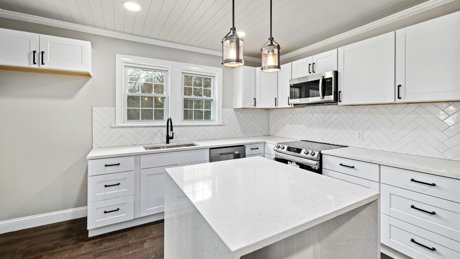
Depending on the condition of your kitchen, relatively simple improvements such as updating appliances, refreshing cabinets, replacing countertops, improving lighting, or updating flooring can make the space feel more modern and inviting.

Other improvements to consider include:

  • Adding a kitchen island
  • Creating a breakfast or dining area
  • Updating flooring
  • Adding accent or task lighting
  • Replacing outdated fixtures and hardware
  • Repainting cabinets

The goal is to create a kitchen that feels clean, functional, and appealing without over-improving for the neighborhood.

Opening Up the Living Space

Open and connected living spaces continue to appeal to many buyers. If your home has an older layout with walls separating the kitchen, dining room, and living areas, opening up the space may make the home feel larger and more functional.

However, removing walls is not always a simple project. Load-bearing walls may require structural modifications, permits, and professional engineering.

Before making any structural changes, work with a qualified contractor or other appropriate professional to determine what is possible and what the project will cost.

Adding Usable Living Space

Adding usable square footage can potentially increase a home's value, particularly when the additional space meets a need for today's buyers.

Depending on the property, possibilities could include finishing an unfinished basement, converting an attic into usable living space, or adding a room.

However, a major addition is a significant investment. Before starting a large project, compare the expected cost with the potential impact on the home's resale value.

In some cases, making the existing space more functional and attractive may provide a better return than adding square footage.

Exterior Improvements That Can Add Value

First impressions matter. Buyers form an opinion about a home before they even walk through the front door, which makes exterior improvements an important part of preparing a property for sale.

Create an Appealing Outdoor Living Space

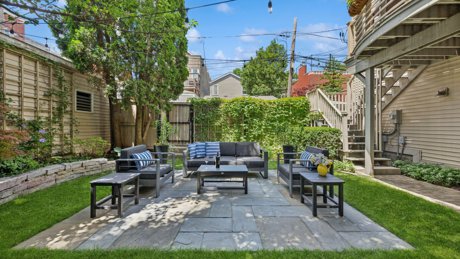
Outdoor living areas can make a property feel more spacious and enjoyable, particularly when they are designed as an extension of the home's living space.

Depending on the property, improvements could include:

  • A patio or deck
  • Comfortable outdoor seating
  • Attractive landscaping
  • Walkways and pathways
  • Exterior lighting
  • Plants, shrubs, and trees

The goal doesn't have to be an elaborate outdoor renovation. A clean, well-maintained, and inviting outdoor area can make a strong first impression.

Improve Your Home's Exterior

If your home's exterior looks dated, a fresh coat of paint can make a significant visual difference.

For homes that need more substantial work, replacing damaged or outdated siding may improve both appearance and curb appeal. Certain exterior materials, such as stone veneer accents, can also give a home a more updated appearance.

As with any renovation, consider the style and value of the surrounding homes before making a major investment.

Don't Overlook the Driveway and Garage

Your driveway and garage are often among the first things buyers see when they arrive at a property.

If your driveway is cracked, worn, or in poor condition, repairing or repaving it can immediately improve the property's appearance.

The garage also deserves attention. Even if you don't make major improvements, clean it out, organize the space, repair broken windows or locks, and consider giving the walls or doors a fresh coat of paint.

A clean and functional garage can make a home feel better maintained.

Which Remodeling Projects Make Sense Before Selling?

The best remodeling project isn't necessarily the biggest one. Before investing in a major renovation, consider how the improvement compares with the value of your home and what buyers in your market are actually looking for.

In some cases, smaller improvements—such as fresh paint, updated lighting, landscaping, minor kitchen improvements, and repairs—can make a home more appealing without requiring a major investment.

A qualified real estate professional can help you determine which improvements make the most sense based on your home's condition, neighborhood, price range, and current buyer expectations.

If you're considering selling and aren't sure where to spend your money, let's talk before you start remodeling. A little planning can help you focus on the improvements that are most likely to make your home stand out when it hits the market.

Ready to find out which improvements could make the biggest difference for your home? Connect with us today. We're happy to help you develop a smart strategy for preparing your home for sale.


Posted in Selling in Chicago
Aug. 25, 2026

Lakeview Chicago Condo Prices: A 10-Year Study (2016–2026)

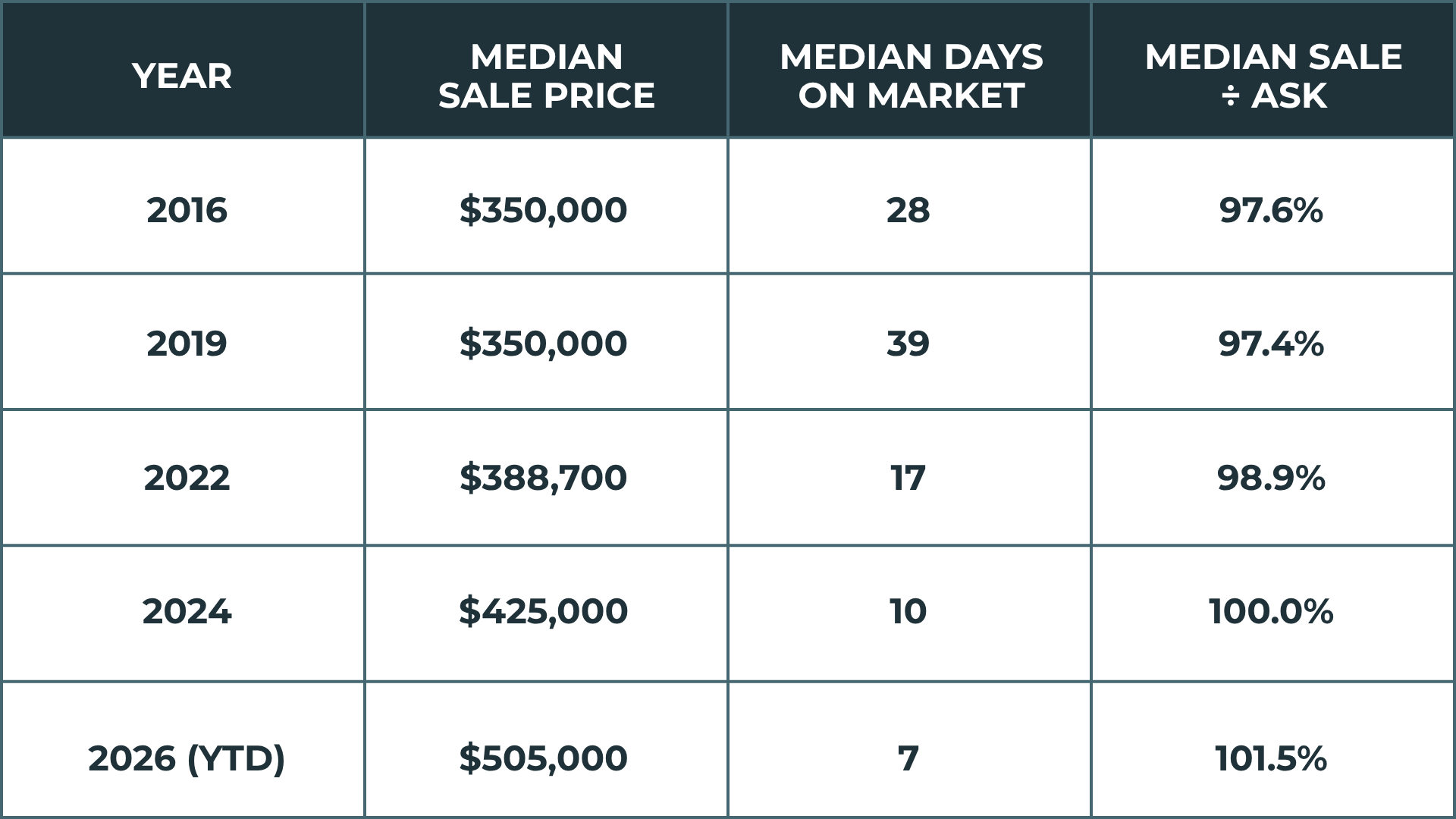
The median Lakeview Chicago condo now sells for $505,000 — up 44% from $350,000 in 2016 — and half of all listings go under contract within 7 days, at a median of 101.5% of asking price. Those three numbers summarize a decade in which Lakeview went from one of Chicago’s flattest condo markets to one of its fastest.

This article summarizes a study of 19,776 closed sales — every condominium, co-op, and townhome that closed in Lakeview (MLS Area 8006) from January 1, 2016 through August 12, 2026, including 5,062 homes that sold twice, which lets us measure what individual owners actually earned. Nothing here is a projection; every figure is a recorded closing.

By Anne Rossley, Baird & Warner · Chicago lakefront real estate broker since 1987 · Data: Midwest Real Estate Data (MRED), January 2016 – August 2026

Key takeaways

  • The median Lakeview condo price rose from $350,000 (2016) to $505,000 (2026 year-to-date) — with most of the growth after 2022.
  • Lakeview is a two-speed market: 2-bedroom condos in walk-up buildings appreciated 55–59% over the decade, while units in 100+ unit high-rises gained about 20%.
  • Median days on market fell from 39 (2019) to 7 (2026); the typical sale now closes over asking price.
  • Location within Lakeview barely moves price: comparing homes of the same size, age, bedrooms, and building type, the five sub-areas price within about 3% of each other.
  • In-unit laundry is the single most valuable amenity (+21% in high-rises), ahead of parking (+12–15%) and private outdoor space (+13–16%).
  • East- and south-facing units earn ~5% premiums — more than ten extra floors of height (+4%).

What happened to Lakeview condo prices over the last 10 years?

From 2016 through 2019, the median price didn’t move: $350,000 at the start, $350,000 at the end. The pandemic briefly lifted prices in 2020, the 2022 interest-rate shock stalled them, and then the market accelerated: roughly +5% in 2023, +4% in 2024, +15% in 2025, and continued growth in 2026. Tracking identical buildings (so the change isn’t a mix of different homes selling), 2-bedroom resale prices rose about 8% in 2025 and 9% so far in 2026 — appreciation Chicago condo owners had not seen in decades.

All Lakeview attached homes (condos, co-ops, townhomes). Source: MRED closed sales, Area 8006.

Which Lakeview condos appreciated most — and least?

The building mattered more than the year. The identical home — a 2-bedroom resale condo — appreciated roughly 55% in walk-up buildings (2–6 units), 59% in mid-size buildings, and about 20% in 100+ unit high-rises since 2016. In dollars per square foot, walk-ups went from $292 to $475 while big towers went from $225 to $292. The flip side: Lakeview’s high-rises are now the best value on Chicago’s North Side lakefront — the same square footage at a deep discount to walk-up pricing, which matters for buyers priced out elsewhere.

Owner outcomes confirm it. Among the 5,062 homes that sold twice within the decade, the typical owner earned about 3.2% per year. But about 1 in 5 owners who resold during 2019–2021 received less than they had paid; among owners selling in 2025–26, fewer than 1 in 50 did.

Does the neighborhood within Lakeview affect condo prices?

Far less than most people — including many agents — believe. Comparing homes of the same square footage, bedroom count, building age, and building type, the five Lakeview sub-areas (East Lakeview, Central Lakeview, Wrigleyville, Southport Corridor, West Lakeview) price within about 3% of one another. The large differences in raw medians — East Lakeview’s median looks low, Southport’s looks high — reflect what kinds of buildings each area contains, not a location premium. Southport Corridor’s 2-bedrooms did appreciate the most (+71% since 2016), but that reflects its walk-up-heavy, increasingly new-construction housing stock rather than the address itself.

What features add the most value to a Lakeview condo?

We analyzed the listing remarks and fields of all 19,776 sales, comparing similar homes in the same year (and, for building-level features, units within the same building):

  • In-unit laundry: +21% in high-rise buildings — the single largest amenity premium in the data.
  • Balcony: +18% in high-rises; roof decks add ~16% and terraces ~13% on walk-ups.
  • Deeded parking: +15% in high-rises; included parking adds ~12% in walk-ups. Listings with street parking only sell roughly 19% below comparable homes with parking.
  • East or south exposure: ~+5% each within the same building — worth more than ten additional floors of height (+4%). North-facing units are the discount side of most buildings.
  • Estate and as-is sales: about −15% versus neighbors in the same building — and renovate-and-resell buyers have captured a median 50% gross gain on such units.

How much are Lakeview condo assessments?

The median monthly assessment at time of sale rose from about $300 in 2016 to $465 in 2026 — up 55%, roughly double general inflation — and the median in 100+ unit buildings is now about $836/month, driven largely by staffing, energy, and construction costs. Buyers visibly price assessments: similar-size units in buildings with assessments ~25% above their peers sell for roughly 5% less per square foot. Property taxes tell a gentler story: measured against sale prices, the effective tax burden peaked around 2020 and has since declined as prices outran tax bills.

When is the best time to sell a Lakeview condo?

Spring, historically: March–April contracts have netted sellers about 1–2% more than fall contracts — roughly $10,000–13,000 on the median condo — and spring listings always sell faster. In the current inventory-starved market, that seasonal edge has compressed: well-priced homes are selling within a week year-round. Pricing discipline matters more than the calendar — 62% of listings now sell at or above asking, almost always in the first week, while overpriced listings sit 5–11 weeks and ultimately give back 5–15% of the original ask.

View More
Posted in Market Updates
Aug. 20, 2026

Should You Sell Your Chicago Condo on Zillow or Hire a Realtor?

Should you sell your Chicago condo yourself on Zillow, or is it better to hire a real estate professional to handle the sale?

This is a common question for homeowners in the city, especially in neighborhoods like River North, Streeterville, the South Loop, and the Gold Coast, where condos are a major part of the housing market.

Selling a condo yourself may seem like a way to save money on commission. But there are also costs, risks, and responsibilities that can come with handling the sale on your own.

Let’s walk through the pros and cons of each approach and help you decide what’s best for your goals, timeline, and bottom line.

What Selling on Zillow FSBO (For Sale By Owner) Looks Like

Zillow offers an option for homeowners to list their property “For Sale By Owner,” or FSBO, without hiring a listing agent.

Here’s what that entails.

Pros of Selling on Zillow FSBO

No Listing Commission

You may avoid paying a traditional listing-agent commission, although buyers may still work with their own agents and other transaction costs remain.

Full Control

You set the price, manage showings, communicate with buyers, and handle negotiations.

Quick Setup

Zillow’s FSBO tools allow homeowners to create a listing with photos and a property description.

Cons of Selling on Zillow FSBO

Limited MLS Exposure

A Zillow FSBO listing is not the same as having a professionally represented property listed through the MLS. MLS exposure can distribute a listing across numerous real estate websites and agent platforms.

Lack of Pricing Expertise

An automated estimate such as a Zestimate can provide a starting point, but it may not account for the details that make one Chicago condo worth significantly more—or less—than another.

Things like floor height, views, renovations, building amenities, assessments, parking, exposure, and recent sales within the same building can all matter.

You’re On Your Own

Showings, buyer screening, negotiations, paperwork, deadlines, and coordination with attorneys, lenders, inspectors, and the condominium association can all become the seller’s responsibility.

Lower Sale Price Risk

Saving on a listing commission doesn't necessarily mean you'll walk away with more money.

If the property is priced incorrectly, receives less exposure, sits on the market too long, or requires larger buyer concessions, the savings from selling FSBO can quickly become less meaningful.

What You Get When You Hire a Realtor in Chicago

Hiring a local real estate professional—especially one experienced in Chicago condo sales—offers more than simply putting your property on the MLS.

Pros of Hiring a Realtor

Accurate Pricing Strategy

A knowledgeable Realtor can evaluate your unit based on comparable sales within your specific building and similar nearby properties.

Factors can include:

  • Floor height
  • Views and exposure
  • Unit condition
  • Renovations and finishes
  • Square footage
  • Floor plan
  • Parking
  • Building amenities
  • Assessments
  • Recent sales
  • Current competition

Maximum Exposure

A professionally marketed listing can be promoted through the MLS, real estate websites, social media, email marketing, video, digital advertising, and other channels appropriate for the property.

Negotiation Expertise

Your agent can help evaluate offers, contingencies, inspection issues, closing terms, and other details that can affect your final proceeds.

Staging and Marketing

Depending on the property, your agent may recommend professional photography, video, staging, floor plans, targeted digital marketing, and other strategies designed to showcase the condo's strongest features.

Compliance and Contract Handling

A Realtor can help coordinate the transaction and make sure the appropriate steps, documents, disclosures, deadlines, and communication are handled throughout the process.

How This Plays Out in Downtown Chicago

Let's say you own a two-bedroom condo in Streeterville.

It has lake views, valet parking, and a $1,000-per-month assessment that covers heat, A/C, water, internet, and doorman service.

If you list it FSBO:

  • You may struggle to communicate the value of the assessment to out-of-town buyers.
  • You could underestimate its market value or overprice it, resulting in limited interest and a stale listing.
  • You'll need to arrange and attend showings, often with buyers who may be unqualified or unrepresented.
  • You'll be responsible for responding to questions and negotiating directly with buyers.

If you list with a professional:

  • Your agent can explain the assessment and position the included services as part of the property's overall value.
  • You'll have a system for qualifying and scheduling buyers.
  • You'll be able to use a data-driven pricing strategy based on recent sold listings in your exact building and comparable properties.
  • Your agent can identify which features are most likely to appeal to the target buyer.
  • You can focus on your move and your goals while your agent manages the marketing and transaction process.

Why Building-Specific Expertise Matters for Chicago Condos

Chicago's condo market isn't one single market.

A condo in River North doesn't necessarily perform the same way as a condo in Streeterville.

A high-floor lake-view unit may have a completely different buyer pool than a courtyard-facing unit in the same building.

And two condos with similar square footage can have dramatically different values depending on:

  • Floor
  • Exposure
  • Views
  • Renovation level
  • Parking
  • Assessments
  • Amenities
  • Building reputation
  • Recent building sales

That's why pricing a Chicago condo based solely on an online estimate can be risky.

The best pricing strategy combines market data with an understanding of the individual property and its building.

Bottom Line: DIY Might Cost You More

Listing your condo on Zillow FSBO might sound appealing if your primary goal is to save money on commission.

But the bigger question is:

What will you actually net after the sale?

A professional Realtor can help you:

  • Price the property strategically
  • Maximize exposure
  • Attract qualified buyers
  • Highlight the features that matter
  • Negotiate from a stronger position
  • Navigate the transaction
  • Reduce unnecessary delays and surprises

For many Chicago condo sellers—especially those selling high-rise or amenity-rich properties—the value of professional representation can extend well beyond simply getting the property listed.

Unless you have significant real estate experience and the time to manage a full-scale marketing and sales campaign yourself, working with a local expert may be the smarter move.

Ready to Talk Strategy?

Thinking of selling your downtown Chicago condo in the Loop, South Loop, Gold Coast, River North, or another Chicago neighborhood?

I offer:

  • A custom pricing analysis based on your building and unit
  • A strategic marketing plan tailored to your condo's unique features
  • Professional guidance from listing through closing
  • A seamless selling experience focused on your goals

Let's talk about what's right for your situation—no pressure, just expert guidance.


Posted in Selling in Chicago
Aug. 18, 2026

How Much Is My Chicago Condo Worth? Anne Rossley’s Expert Valuation Process

Wondering what your downtown Chicago condo is worth in today’s market? You’re not alone.

Whether you’re preparing to sell or simply exploring your options, understanding the true market value of your condo is essential—and not something that can be determined by a quick online estimate alone.

As a top-producing Chicago Realtor specializing in luxury and historic condominiums, I use a multi-layered, data-informed process to deliver a valuation you can trust.

Here’s how it works.

1. Why Online Estimates Fall Short

Let’s start with the elephant in the room: Zestimates, RealEstimates, and other automated valuation tools.

While these platforms can offer a rough snapshot, they often rely on incomplete or outdated data.

For example:

  • They may not account for renovations, views, layout efficiency, or premium-tier finishes.
  • They can overlook building-specific nuances. A high-floor, south-facing unit can be valued very differently from a first-floor, courtyard-facing unit.
  • They may compare your condo to properties in completely different neighborhoods or even unrelated property types.

In downtown Chicago’s diverse condo market, accuracy requires a human touch and deep local expertise.

2. My Expert Chicago Condo Valuation Process

When I evaluate your condo, I take into account several layers of analysis.

Building-Specific Sales Trends

I analyze recent closings in your building and adjacent buildings with similar amenities, condition, and assessments.

I look at questions such as:

  • What is the average price per square foot?
  • Are units selling above or below list price?
  • How many days on market is typical?
  • How have comparable units performed recently?

Your building matters. Two condos with similar square footage can have very different values depending on the building, floor, exposure, amenities, assessments, and recent sales history.

Micro-Neighborhood Insights

Each downtown Chicago neighborhood has its own pricing trends and buyer pool.

I consider differences such as:

  • Cultural Mile vs. South Loop loft conversions
  • New East Side views vs. Streeterville riverfront
  • West Loop boutique buildings vs. full-service high-rises

Chicago’s Loop, River North, Streeterville, South Loop, Gold Coast, West Loop, New East Side, and Lakeshore East can all behave differently—so hyper-local data matters.

Unit Condition and Upgrades

I carefully review your condo’s features, including:

  • Renovated kitchens and baths
  • Private balconies or terraces
  • Hardwood flooring
  • Smart-home systems
  • Fireplaces
  • Parking—deeded, leased, or none
  • Floor plan flow
  • Natural light
  • Views and exposures

Every element can make a difference because these are the features buyers consider when comparing one condo against another.

MLS Market Activity and Buyer Demand

Looking at active, under-contract, and recently sold listings, I compare:

  • Current competition
  • Pending sales trends
  • Price reductions
  • Inventory levels
  • Recent comparable sales
  • Buyer demand

This allows us to price strategically—not just competitively, but to optimize for buyer psychology and current market momentum.

3. Valuation That Goes Beyond the Numbers

Great pricing isn't just about market data—it’s about strategy and story.

As part of my pricing process, I also consider:

  • Buyer objections and how to overcome them
  • Unique selling points we can highlight in marketing
  • How your condo compares with competing properties
  • Timing—whether we should price to create urgency or anchor to a specific comparable level

A strategic price can open the door to maximum buyer interest, more showings, and stronger offers.

The goal isn't simply to put a number on your condo.

It's to understand how buyers are likely to perceive that number in the current market.

4. What’s Next? Your Free Chicago Condo Valuation

Whether you’re six weeks or six months from listing, getting a real valuation now gives you time to prepare and position your condo properly.

When you request your complimentary condo valuation, you’ll receive:

  • A custom report on your condo’s estimated market value
  • Market comps for your building and neighborhood
  • Suggestions to increase appeal and potential value
  • A marketing strategy overview, should you decide to sell

Serving Downtown Chicago Condo Owners In:

  • The Loop – Cultural Mile
  • New East Side
  • South Loop
  • Streeterville
  • Gold Coast
  • River North
  • West Loop
  • Lakeshore East
  • And surrounding Chicago neighborhoods

Let’s Find Out What Your Condo Is Worth

I’ve helped hundreds of downtown Chicago condo owners maximize their value—with fewer days on market and smoother sales experiences.

Ready to see what your home is worth?

Request Your Personalized Chicago Condo Valuation

Or schedule a brief consultation to discuss your condo, your goals, and what the current market could mean for your property.

Posted in Selling in Chicago