


A Lincoln Park house is worth more as land only when a builder's finished product, minus the cost to create it, exceeds what a buyer will pay to live in the house you already own. In the 30 days ending September 28, 2026, Lincoln Park led Chicago with 20 single-family closings in a median of 6 days, at 100.0% of list, with 35% closing over asking, according to Anne Rossley's September market update. The median sales price was $2.34 million. In ZIP code 60614, that is a house market first, and a land market only for specific properties.
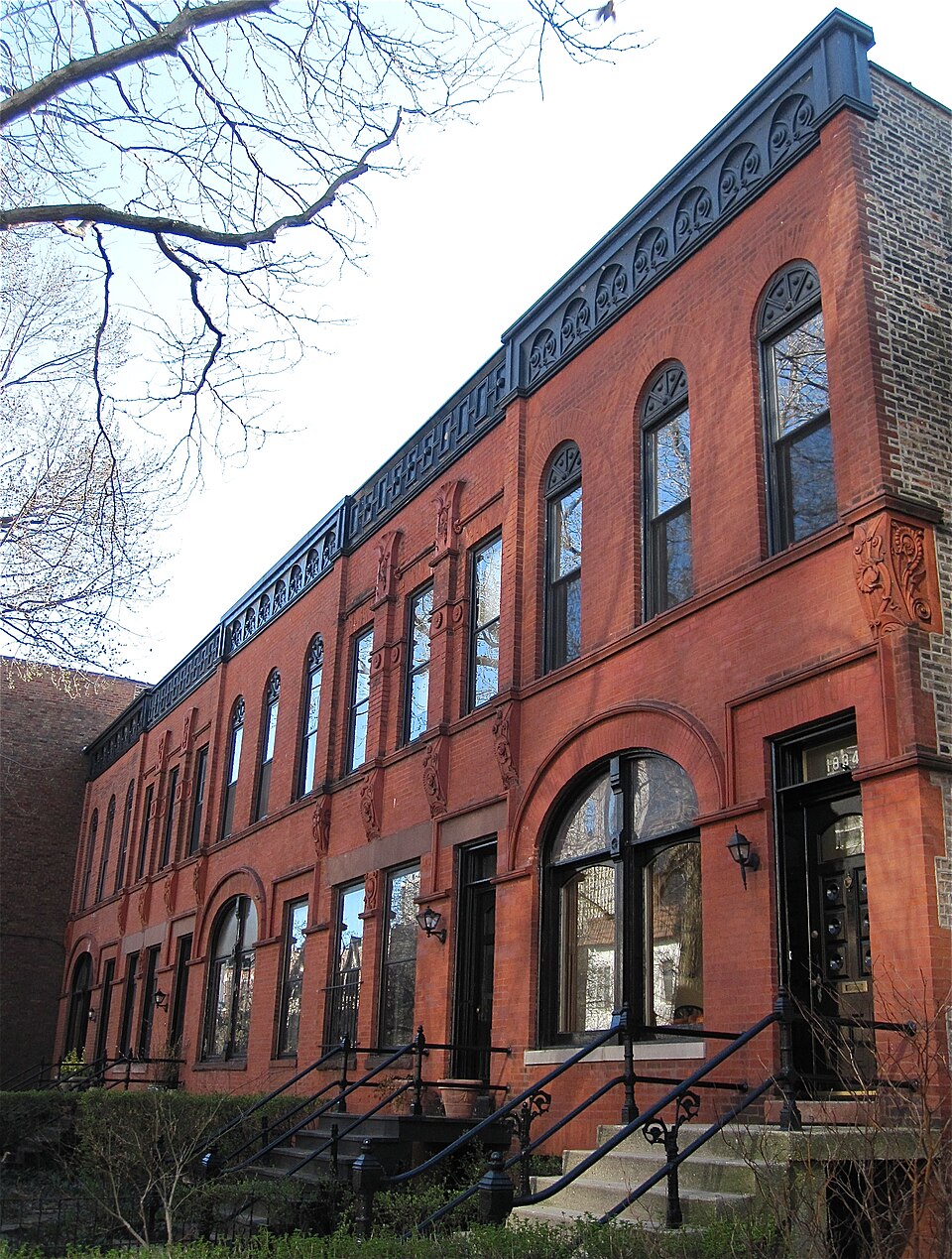
How a Builder Values Your Lot
How do builders decide what a Lincoln Park lot is worth?
Builders work backward. They estimate what a new home on the lot would sell for, subtract construction, permits, financing and carrying costs and a profit margin, and the remainder is the most they can pay for the land. This is called a residual value. It means a lot's price is not set by the lot alone: it moves with the finished price of new homes nearby, with construction costs and with the builder's cost of money. Anne Rossley can run the residual with you, but she recommends a builder's own numbers before a decision, since each builder's costs differ.
Why can an existing house be worth more than the lot?
Because a sound house carries value that a builder will not pay for. In the September update, the 20 Lincoln Park closings sold quickly and at list, which means buyers are paying full price for homes they intend to live in. When houses sell that fast, the builder is competing with end users, and the lot price that makes a project work often falls short of the house price that an end user will pay. Larger and more elaborate homes can sit while smaller ones sell, which is why the median asking price on active homes was near $4.15 million, well above the $2.34 million median sales price that closed.
When a Teardown Is Not Available
Does a landmark district limit a teardown?
It can. Parts of Lincoln Park sit within the Mid-North Historic District and the Sheffield Neighbors Historic District, and the Old Town Triangle lies just to the south. Designation shapes what an owner may change and what a buyer expects to find. Chicago's Demolition-Delay Ordinance applies to buildings rated red or orange in the Chicago Historic Resources Survey: the City can hold a demolition permit for up to 90 days, and during the hold the Department of Planning and Development can explore ways to preserve the building, including landmark designation. Work on designated Chicago landmarks and in landmark districts also goes through Historic Preservation Division permit review. Check your address against the Chicago Landmarks list and the Historic Resources Survey on the City of Chicago's website, linked above, before the property is listed, because the result affects value. Anne Rossley's historic homes pages describe the districts in detail.
What else can stop a lot from working?
Lot width, zoning, an easement or a neighbor's party wall can each change the economics. A standard lot supports a different building than a narrow one, and a corner lot differs from an interior lot. A permit history that shows additions and a recent survey will help any buyer, whether the buyer is an end user or a builder. A house whose layout and condition are sound will rarely lose value to a lot buyer's offer.
Marketing the House as a House or as Land
When should a house be marketed as a house?
When it is in livable condition, is architecturally appealing and is priced against closed sales of similar homes. Anne Rossley's Lincoln Park, Lakeview and Uptown single-family market analysis shows how buyers there reward well-prepared homes. A selective update can raise value without a rebuild, so see which remodeling projects boost a home's value and which upgrades matter most to luxury buyers before assuming that the house is a liability.
When should it be marketed as land?
When the structure is past reasonable repair, the finished-house comparables on your block are far above what the house could achieve, and the lot has no landmark or zoning constraint. Then the buyer pool is builders and owners planning a new home, and they will price off the residual. An owner can test both paths. Ask for a builder's opinion and a sold-comparable opinion, then compare the two numbers. The guide to buying new construction explains what end buyers expect from a new home, which tells you how a builder will price the finished product.
What to Do Before You Decide
Can an addition or a coach house change the answer?
It can, because added space raises the value of an existing house without a teardown. Chicago allows accessory dwelling units under its rules, and Anne Rossley outlines the benefits of accessory dwelling units for homeowners and buyers. A townhome or a smaller house may call for a different comparison set, as in her post on townhome values in North Center.
How should I start?
Start with the landmark and survey check above, then gather the survey, permit history, tax bill and any renovation invoices. Then request a valuation that includes sold houses, sold lots and the likely builder residual. Browse Chicago homes by neighborhood to see what competes, and contact Anne Rossley for a comparison based on closed sales. With 540+ transactions and about $15M in average annual sales, she treats a land opinion as a second set of comparables, never a replacement for the first.
The Bottom Line on Teardown Value in Lincoln Park
In today's Lincoln Park market, houses that are sound and well priced sell in days and at list. A lot has more value than the house only when a builder's residual proves it. Test both numbers before you choose how to go to market.
Contact Anne Rossley at Baird & Warner Gold Coast | 773-620-5333 | anne@rossley.com | www.annerossley.com for a FREE 2026-27 Market Strategy Session