


Should I sell my house first or buy my downtown condo first?
The order matters less than the backup plan you build around it, and a house priced to sell is the safest base for either order. In the 30 days ending September 28, 2026, Chicago single-family homes closed in a median of 9 days at 100.2% of list price, according to Anne Rossley's September update. The median is the middle number: half of the homes sold faster and half took longer. Condos below about $1.2 million were going under contract in 7 to 16 days in her July update.
So a downsizer moving to Streeterville (60611), the Gold Coast (60610), River North (60654) or the Loop (60601, 60604) is buying in a fast market, and that shapes the plan. This post walks through the three ways to order a move, how to check the building, and the money questions to settle first.
The Three Ways to Sequence a Move
What happens if I sell first?
You get certainty, but you lose control of timing. With a signed sale, you know how much money you will have, and you can shop with a clean offer. The risk is a gap, where your house closes before you find your condo. Many sellers ask for a short stay after closing, called a rent-back, so they can keep living in the house while they shop. Anne Rossley asks for this at the start of the deal, because a buyer who is eager to close will often agree.
What happens if I buy first?
You get the home you want, but you may own two homes for a while. An offer that depends on selling your house is called a sale contingency, and it is weaker than a clean offer. Condos below $1.2 million are going under contract in about a week, so a weak offer may lose. The strongest buy-first plan does not depend on a sale. It might use cash, a line of credit, a bridge loan (a short loan that covers the gap) or money from other assets. Each one needs a lender or an adviser to confirm.
Can both closings happen together?
Yes, with careful planning. A same-day closing works best when both contracts have matching dates and both sides know the risk. The condo side adds a twist. On August 3, 2026, Fannie Mae began a Full Review of condo loans for buildings with 11 or more units. A Full Review is a closer look at the building's finances and rules. Anne Rossley's Loop interest-rate post notes that closing windows under 30 days are risky when a building has not yet been approved. So ask for the building's approval status before you pick dates.
Vetting the Building You Are Buying
What should a downsizer ask about a condo building?
Ask about reserves, assessments, special assessments, lawsuits and how many owners live in the building. Reserves are savings for big repairs. An assessment is the monthly fee, and a special assessment is a one-time extra bill. These items affect your monthly cost now and your resale later. Anne Rossley explains how to read them in her guide to what to know about condo living in 2026. Her downsizing guide to downtown condos shows what changes in daily life when you move from a house to a condo. If condo ownership is new to you, the buying page is a useful start.
Are some building types easier to close on?
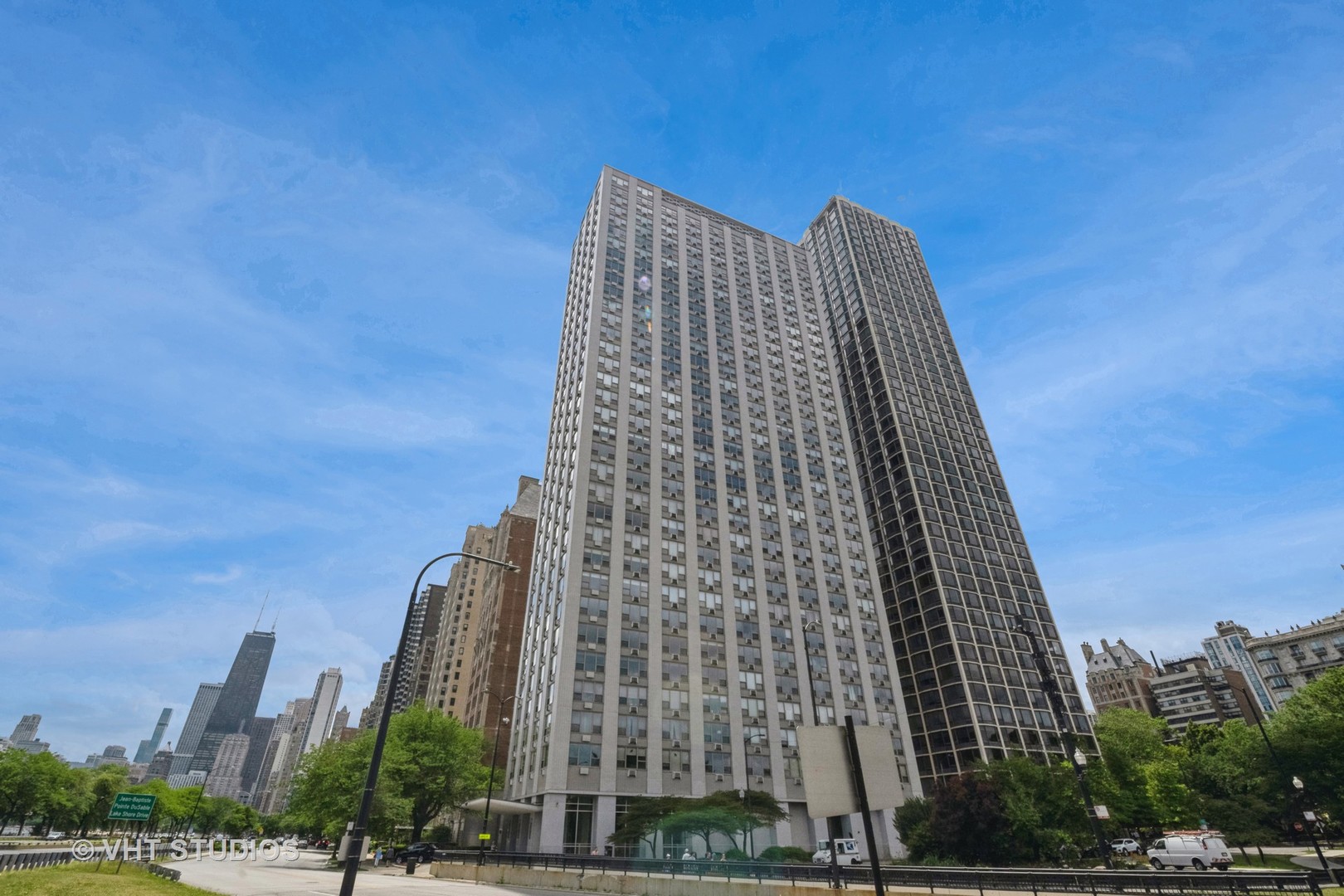
Yes. Vintage co-ops and condos each have their own approval steps. A co-op board reviews your finances and references, which adds time, so your plan needs more room. Lofts and walk-ups have their own traits too. See what a Chicago loft is and costs and the post on walk-up condos from $500K to $800K. On the Gold Coast, the Gold Coast Historic District and East Lake Shore Drive pages describe the vintage buildings. 1550 N Lake Shore Drive is one building worth studying.
Money and Timing Questions
What about the tax on my gain?
Federal law lets many homeowners leave out up to $250,000 of profit on a main home from their taxes. A married couple filing together can leave out up to $500,000. You must meet ownership and use tests to qualify. This is general information, not tax advice, and Anne Rossley is not a tax adviser. Ask a CPA about your own case before you set a price or a date. The same advice applies to how a move may change your property tax bill.
How do I avoid carrying two homes too long?
Price the house to the market on day one. In the September update, single-family homes that sold in the first 7 days closed at a median of 105.8% of list. Homes still unsold after 31 days closed near 94% to 95%. A house that sits can force a buy-first plan into a rushed sale. The Ultimate Home Buyer's Guide and the post on seven downsizing mistakes show where plans often slip.
Does putting the listing on the private network help?
Sometimes the market is so thin that buyers will wait for the seller. If your listing agent belongs to the Top Agent Network, your home can be marketed privately to those agents' buyers. A buyer who badly wants your home may then agree to a later closing or possession date, so you have time to find your next home. This does not work every time, but it is a good option in a market like November 2026.
What if I am relocating from out of town?
The same logic applies, with more travel. Anne Rossley's post on relocating to Chicago covers the first month. A clear order of steps lowers the risk of a long overlap between homes.
The Bottom Line on Selling First or Buying First
Sell first when you want certainty, and ask for a rent-back so you can shop without a rush. Buy first only when your financing does not depend on the sale, and only after you know the building's approval status. In both cases, a correctly priced house is the control you have over the whole plan.
Contact Anne Rossley at Baird & Warner Gold Coast | 773-620-5333 | anne@rossley.com | www.annerossley.com for a FREE 2026-27 Market Strategy Session