


The questions that protect a Chicago condo buyer concern the building's money and approvals, not the unit's finishes. Since August 3, 2026, Fannie Mae requires a Full Review for buildings of 11 or more units, and starting with loan applications dated January 4, 2027, the required reserve contribution rises from 10% to 15% of budgeted assessment income. For downtown buildings in ZIP codes such as 60601, 60610, 60611 and 60654, those rules can decide whether a loan closes. Anne Rossley, Managing Broker with Baird & Warner, Gold Coast, has sold Chicago condos since 1987 and builds every purchase around these questions.
Financing and Warrantability
Is this building approved for financing?
Ask your lender or agent to check the building's status. It is generally currently approved with an expiration date, never reviewed, or on the non-warrantable list. If a building fails review because of a budget shortfall, unresolved deferred maintenance, excessive delinquency or missing insurance, conventional financing becomes unavailable for every unit in it, leaving cash buyers and a small number of portfolio lenders. Buildings with 10 units or fewer qualify for a Waiver of Project Review. Anne Rossley's new condo financing rules article and her Chicago condo financing rules guide explain each change, and her free condo buyer's financing checklist turns it into questions.
What does the building contribute to reserves, and how?
Ask whether a dedicated reserve line sits in the monthly budget or whether reserves are funded only with what is left over. Illinois requires budgets to provide for reasonable reserves but does not require a reserve study. A board that rolls last year's budget forward without raising the reserve line to 15% can cause its building to fail review in 2027, so ask how the 2027 budget is being set.
What about delinquency and jumbo loans?
If more than 15% of owners are 60 or more days behind on dues, the building is flagged. Jumbo lenders generally follow the same condo questionnaire, so a $1.5 million purchase receives the same scrutiny as a $500,000 one.
The Building's Record
What has the building actually done?
The City of Chicago publishes building permits issued since 2006, searchable by address, along with violations. A well-run older tower shows facade work, elevator modernization and riser replacement in that history. Buildings 80 feet or taller must have exterior walls and balconies examined on a recurring cycle, and the report is worth requesting. Anne Rossley's article on reading a condo building's finances provides five questions to answer before an offer.
What does the Illinois disclosure tell me, and when?
The 22.1 disclosure arrives after a contract is signed, and the board has ten business days to provide it. It lists the reserve balance, the latest financial statement, pending lawsuits and capital expenditures the board anticipates in the next two years. Treat it as confirmation, and do the discovery earlier.
Who is running the building?
Illinois requires community association managers to be licensed, and boards must keep seven years of minutes. Read the last year or two of minutes for four words: engineer, study, proposal and special.
What about insurance and special assessments?
Ask who carries the master policy, what it covers and when it renews. The Full Review looks at insurance, so a gap in coverage can affect your financing as well as your safety. Then ask whether any special assessment has been levied or discussed in the last two years. A building that funds repairs through one-time assessments instead of steady reserves is telling you something about how it plans, and you want to know that before your closing, not after it.
Your Monthly Cost and Your Exit
What is the true monthly cost of owning here?
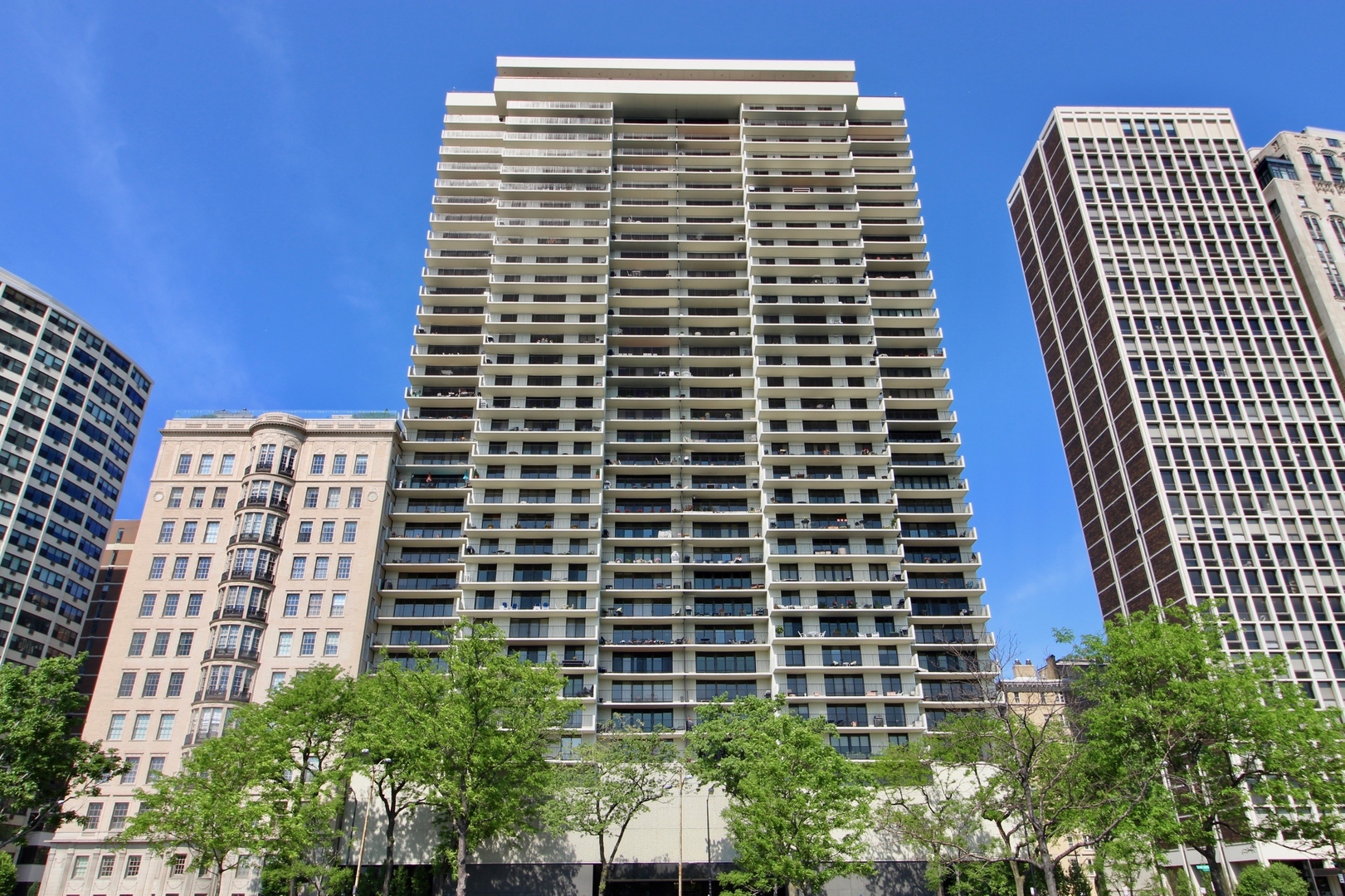
Compare the monthly assessment and its inclusions across buildings. In Anne Rossley's July 2026 data, condos with assessments under $0.50 per square foot sold in 7 days, while units over $1.00 took 32 days. Review the building list for a neighborhood, starting with the condo and co-op hub or a building page such as 1550 N Lake Shore Drive.
Will I be able to resell this condo?
Resale starts at purchase. A non-warrantable building has fewer eligible buyers, which typically means a lower sale price and a longer time on market. Anne Rossley's articles on what downtown condo buyers want in 2026, how much a Chicago condo is worth, selling a downtown condo fast without repairs and selling on Zillow versus hiring a Realtor show how buyers and sellers think about the same questions. Her buying page explains how she manages the process.
Should I bring my attorney in before I make an offer?
Yes, or at least before the attorney-review period runs out. Your attorney reads the contract, the 22.1 disclosure and the building documents, and can negotiate for extra time when the paperwork arrives late. Your agent and lender can screen the building's financing status in parallel, so the questions on this page are answered by the people best placed to answer them.
Should I avoid a short closing window?
Unless you are paying cash or the building already holds a current Fannie Mae approval, a closing window under 30 days is one of the riskier moves in this environment, because a Full Review may not finish in time.
The Bottom Line on Condo Living in 2026
Ask about financing status, reserves, the building's record, the monthly cost and resale before you fall in love with a unit. Anne Rossley brings 39 years and 540+ transactions to those questions, as a focused, energetic advocate and problem-solver.
Contact Anne Rossley at Baird & Warner Gold Coast | 773-620-5333 | anne@rossley.com | www.annerossley.com for a FREE 2026-27 Market Strategy Session